
The Right Trim, Clean Lines, and Careful Detail Make Rooms Feel Finished
finish carpentry creates a polished interior by adding the final details that make a room look clean, complete, and well planned. It covers trim, baseboards, crown molding, door casings, stair parts, and built-in features. These pieces hide gaps, sharpen lines, and tie the whole space together. In homes around Atlanta, GA, this kind of detail can make an ordinary room feel warm, balanced, and more refined.
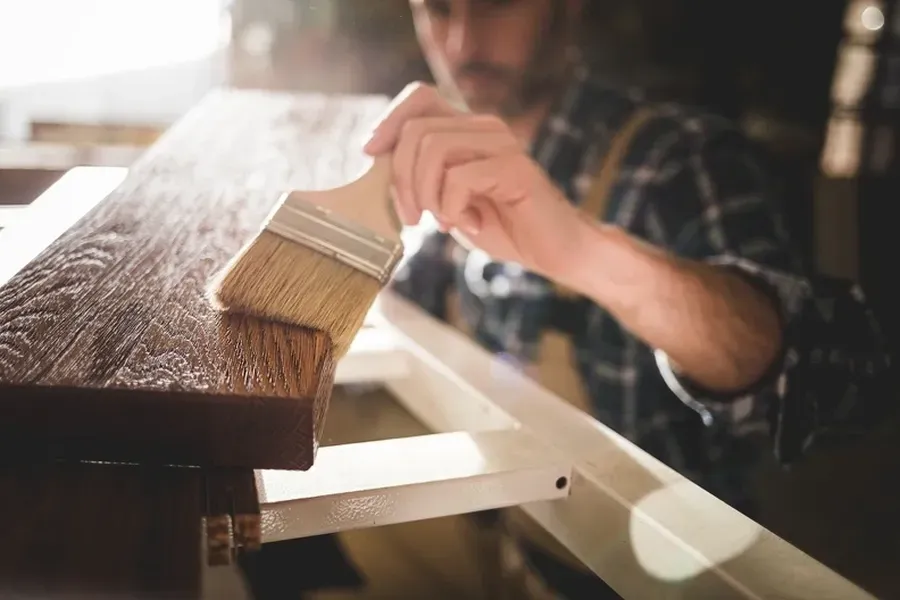
What Gives a Room That Finished Look
A polished room is not only about paint color or furniture. The small details matter just as much. finish carpentry helps frame the walls, windows, doors, and floors. It creates neat edges where different materials meet. Without these details, a room can look plain or unfinished, even after a remodel.
Good trim work also helps guide the eye. Baseboards create a clean border along the floor. Window and door casings make openings stand out in a neat way. Crown molding can soften the line where the wall meets the ceiling. When all these parts match the style of the room, the whole space feels more pulled together.

What You Need Before Starting
Before any finish carpentry begins, it helps to have a clear plan. This is part of the larger service category work that often comes near the end of a remodel or new build. The layout, flooring, drywall, and major painting steps should usually be done first. That gives the trim and wood details a better fit.
You also need to think about style. A modern room may look best with simple, flat trim. A more classic room may call for thicker casings, panel details, or crown molding. The size of the room matters too. Wide trim in a small room can feel heavy, while thin trim in a large room can get lost.
- Room style and home age
- Trim size and profile
- Paint or stain finish
- Wall and floor condition
- Door and window alignment
- Budget for custom or standard pieces
How the Process Works Step by Step
Most finish carpentry follows a simple path from planning to final touch-ups. Each step plays a part in the final look.
- Measure the room, doors, windows, and wall lengths.
- Choose trim profiles that fit the home’s style.
- Cut each piece to match the exact space.
- Test fit corners, joints, and long runs.
- Install trim in the right order, often starting with baseboards or casings.
- Fill nail holes and small gaps.
- Caulk seams where needed for a smoother line.
- Sand rough spots and apply paint or stain touch-ups.
When this process is done with care, the result looks simple and clean. When it is rushed, small gaps and uneven joints stand out fast. That is why detail matters so much in finish carpentry.
Common Mistakes That Hurt the Final Look
Many rooms miss that polished feel because of small trim mistakes. Crooked lines, rough joints, and poor spacing can make expensive materials look cheap. One common problem is using the wrong trim size for the room. Another is ignoring uneven walls or floors, which can leave visible gaps.
Paint can also change the result. Thick paint buildup on trim can hide detail. Poor prep work can leave dents, seams, or filler marks easy to spot. Mixing too many trim styles in one area can make the space feel busy instead of balanced.
- Gaps at corners
- Uneven miter cuts
- Poor match between old and new trim
- Wrong nail placement
- Caulk used where better fitting was needed
- Skipping final sanding and touch-up work
Why Custom Details Make a Bigger Impact
Custom woodwork can take the look even further. Built-in shelves, fireplace surrounds, wall panels, bench seating, and coffered ceilings add shape and purpose to a room. These features do more than fill space. They create a stronger design and make the room feel made for the home.
Even one custom detail can change the feel of a space. A plain living room may look far more complete with a built-in media wall. A basic hallway can feel richer with wainscoting or clean panel trim. finish carpentry works best when the details fit the scale, style, and use of the room.
When It Makes Sense to Call a Professional
Some trim jobs look simple at first, but clean results take skill. Tight corners, uneven surfaces, stair details, and custom built-ins often need careful measuring and precise cutting. If the room has older walls, out-of-square corners, or a mix of old and new materials, the work can get harder fast.
A professional can help when you want consistent lines, smooth joints, and details that match the rest of the home. This is also helpful when trim needs to blend with flooring, cabinetry, or other finished surfaces. Good finish carpentry saves time, reduces waste, and helps the room feel truly complete.
Get Help Creating a More Finished Space
If you want your home in Atlanta, GA to feel more polished, we can help you plan the right trim and detail work for each room. At Finishing Touch Interior Carpentry LLC, we focus on clean lines, careful fits, and lasting results. Call us at (770) 536-5675 to talk about your space and the look you want for your interior.